Quick answer: a typical bathroom renovation cost in the UK in 2026 is likely to sit around £4,500 to £10,000 for many standard family bathrooms, while a simple refresh may be closer to £2,000 to £4,500 and a premium remodel can exceed £14,000. The final price depends less on the headline suite price and more on labour, tiling area, plumbing moves, electrical work, waterproofing, ventilation and the finish level you choose.
If you are planning around the primary question of bathroom renovation cost UK 2026, start with three budgets: one for essentials, one for the look you want, and one contingency for the problems you cannot see yet. A good design preview can also help you avoid expensive layout or finish mistakes before trades start work.
Key takeaways
- Budget bathroom renovations usually focus on replacing fixtures in the same positions and limiting tile coverage.
- Mid-range projects often include a better shower, vanity storage, improved lighting and more complete tiling.
- Premium bathrooms cost more because of bespoke joinery, stone or large-format tiles, wet-room detailing, underfloor heating and layout changes.
- Moving plumbing, repairing walls or floors, and fixing poor ventilation can add thousands to the quote.
- Use visuals before committing: testing tile, vanity, bath and lighting choices with an AI preview can prevent costly changes later.
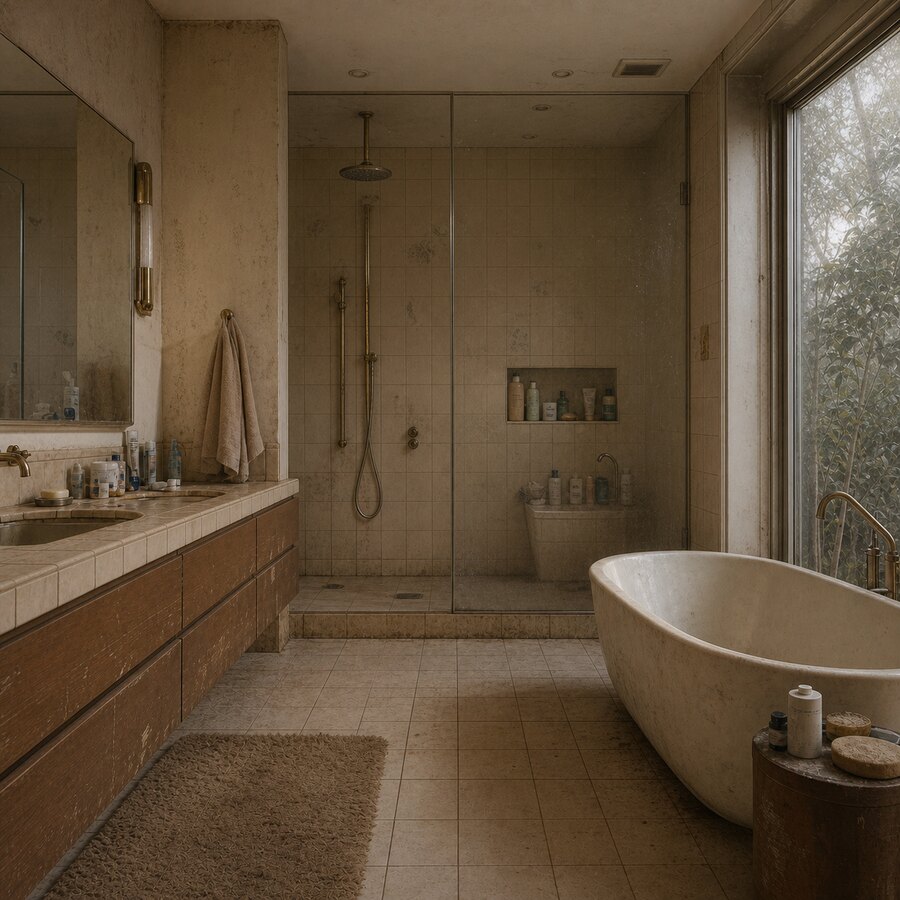
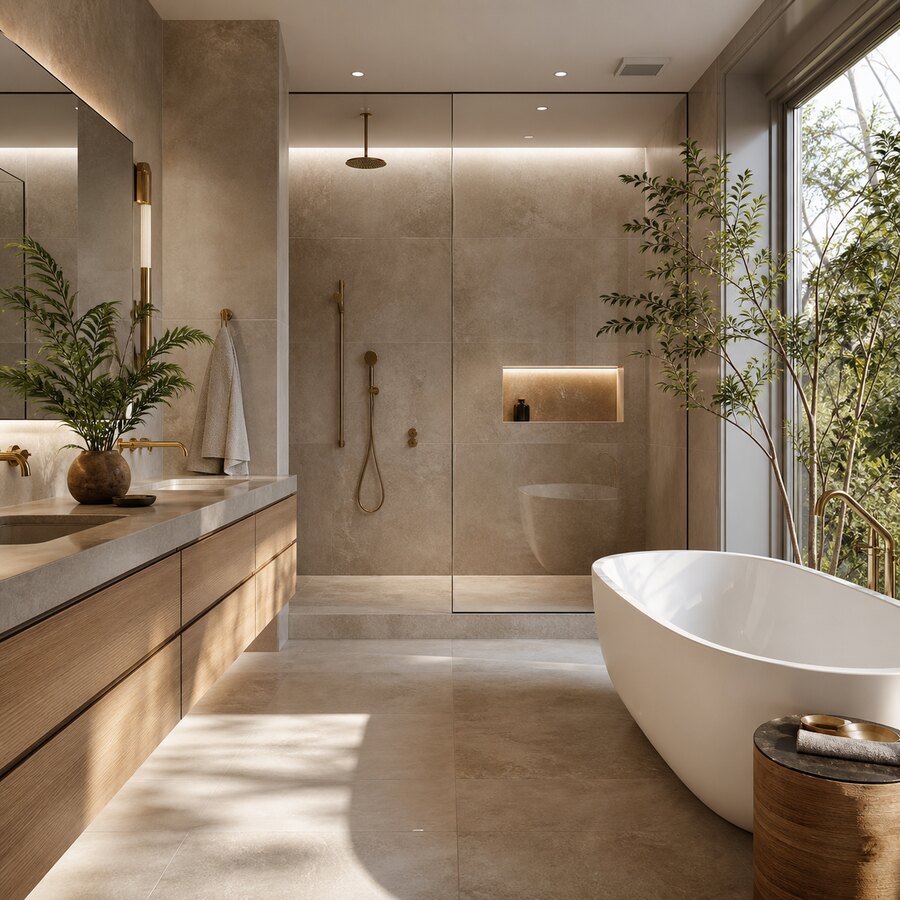
Bathroom renovation cost UK 2026: realistic ranges
For 2026 planning, most UK homeowners should treat bathroom cost guides as a starting point rather than a fixed quote. Published UK trade guides commonly place standard bathroom renovations around the mid-thousands, with many full refits landing between roughly £5,000 and £10,000 once labour and materials are included. Smaller refreshes can cost less, while luxury bathrooms and wet rooms can move well beyond £14,000.
That range is wide because the same room can be renovated in very different ways. One homeowner might replace a bath, basin, toilet and taps in the existing positions. Another might create a walk-in shower, hide pipework, add niches, install underfloor heating, tile to the ceiling and replace lighting. Both are bathroom renovations, but the cost profile is completely different.
Budget bathroom renovation: around £2,000 to £4,500
A budget bathroom renovation is best for a room that already works but looks tired. The aim is to improve hygiene, light and finish without changing the bones of the space.
What this budget can usually cover
- Replacement toilet, basin, taps or bath panel
- Basic shower screen or shower-over-bath update
- Vinyl or simple floor finish
- Selective retiling rather than full-height tiling
- Fresh paint, mirror, accessories and storage
- Keeping all plumbing in the same place
The biggest saving is avoiding layout changes. Once you start moving waste pipes, altering the soil stack route or chasing pipes into walls, the job moves away from a cosmetic refresh and towards a proper refit.
Where to be careful
Cheap bathrooms can become expensive if you save money in the wrong places. Do not cut corners on waterproofing around showers, extraction, electrical safety or preparation behind tiles. A lower-cost tile on a sound wall is fine; a beautiful tile on a damp, uneven wall is not.
Mid-range bathroom renovation: around £5,000 to £10,000
This is where many UK bathroom projects sit. A mid-range bathroom usually means a full refit with a more comfortable finish, better storage, improved lighting and more cohesive design.
What this budget can usually cover
- New bath, shower, basin, toilet and taps
- A vanity unit instead of a pedestal basin
- Good-quality ceramic or porcelain tiles
- Updated lighting, shaver socket or mirror lighting
- Extractor fan improvement
- Moderate plumbing and making-good work
- Professional fitting by several trades
Mid-range does not have to mean bland. You can create a calm, high-end feel with restrained choices: one hero tile, simple brassware, a warm vanity, a clear shower screen and good lighting. The trick is choosing where to spend and where to simplify.
If you want to explore options before buying materials, you can try the AI studio with a photo of your bathroom and compare several design directions. This is especially useful when choosing between a bath and a walk-in shower, or when deciding how dark tiles will feel in a small UK bathroom.
Premium bathroom renovation: £10,000 to £20,000+
Premium bathrooms are not expensive only because the products cost more. The price rises because the work is more detailed. Large-format tiles need flatter walls and more careful handling. Wet-room floors need correct falls, tanking and drainage. Wall-hung toilets and concealed cisterns require framing. Bespoke vanity units, niches and lighting schemes all add time.
What pushes a bathroom into premium pricing
- Wet-room or level-access shower construction
- Underfloor heating and upgraded electrics
- Natural stone, microcement or large-format tile finishes
- Bespoke vanity storage or fitted cabinetry
- Wall-hung sanitaryware and concealed valves
- Changing the layout or moving the bathroom location
- High-spec brassware, lighting and smart controls
Premium projects benefit most from visual planning. A tile that looks elegant in a showroom can feel heavy in a north-facing bathroom. A freestanding bath can look dramatic online but be awkward if the room is narrow. Previewing ideas early is cheaper than changing your mind after the first fix.
Bathroom cost breakdown: what you are really paying for
The suite is only one part of the budget. In many bathroom renovations, labour and preparation take a large share because bathrooms are small rooms with plumbing, electrics, waterproofing, ventilation, tiling and finishes all packed together.
Labour
Expect to pay for at least some combination of a bathroom fitter, plumber, electrician, tiler, plasterer and decorator. Even when one company manages the job, those skills still sit inside the quote. Complex tiling, hidden pipework and layout changes increase labour time.
Tiles and wall finishes
Tiling can vary dramatically. Half-height tiling behind a basin and bath costs far less than floor-to-ceiling tiling on every wall. Tile size, pattern, edge trims, niches and wall preparation all affect the final number.
Plumbing and drainage
Replacing a toilet in the same location is straightforward. Moving it across the room, changing soil pipe routes or converting a bath area into a walk-in shower can be much more involved. Drainage falls matter, especially in older homes and flats.
Electrics, heating and ventilation
Bathrooms have strict electrical zones, so lighting, sockets, extractor fans, heated mirrors and underfloor heating should be handled properly. Good ventilation is not glamorous, but it protects the renovation from mould and peeling finishes.
Cost-saving ideas that do not cheapen the result
The best savings come from design discipline rather than simply buying the cheapest items. Keep the layout if it works. Use a standard shower tray instead of a wet room if the room does not need level access. Tile the areas that need protection and use high-quality bathroom paint elsewhere. Choose one premium feature and keep the rest clean and simple.
Storage is another smart place to spend carefully. A vanity unit can make a small bathroom feel calmer because it hides everyday clutter. That visual improvement may matter more than choosing a more expensive tap.
For more transformation ideas, compare our before and after examples. You may also find it useful to read related planning guides such as kitchen renovation cost UK 2026 and small bathroom ideas for UK homes when you are planning several rooms together.
Using AI previews to avoid expensive bathroom mistakes
Bathroom mistakes are expensive because many decisions become fixed early. Once plumbing is set, tiles are ordered and the shower area is waterproofed, changes can mean delays, waste and extra labour.
An AI preview will not replace a qualified fitter, plumber or electrician, but it can help you make better design decisions before you ask for quotes. You can test whether a dark tile makes the room feel smaller, whether a floating vanity suits the space, whether a bath-to-shower conversion feels practical, or whether a warmer palette would make a windowless bathroom feel less cold.
Use it as a conversation tool. Bring the preferred visual direction to your installer, then ask what is practical, what will cost more, and what needs technical adjustment. The goal is not to chase a fantasy image; it is to reduce uncertainty before real money is committed.
How to plan your 2026 bathroom budget
Start with a written scope. Decide whether you are refreshing, refitting or redesigning. Then split the budget into products, labour, waste removal and contingency. A sensible contingency is usually at least 10% and sometimes more in older homes, where hidden damp, poor previous workmanship or uneven walls are common.
Ask trades for quotes against the same scope so you can compare like with like. A cheaper quote may exclude tiling, waste disposal, electrical certification, plastering or making good. A more expensive quote may simply be more complete.
Before you order, check lead times for tiles, shower screens, vanity units and brassware. Delays can create gaps in the schedule. Also confirm who is responsible for disposal, protection of hallways, parking, access and daily clean-up.
FAQ
How much does a bathroom renovation cost in the UK in 2026?
For many standard UK bathrooms, a realistic 2026 renovation budget is around £4,500 to £10,000. A light refresh can be lower, while a premium bathroom, wet room or layout change can exceed £14,000.
What is the most expensive part of a bathroom renovation?
Labour, tiling and plumbing changes are often the biggest cost drivers. Premium products matter, but moving services, preparing walls, waterproofing and complex tile work usually create the larger jumps.
Can I renovate a bathroom for under £3,000?
It may be possible for a small refresh if you keep the layout, reuse some fixtures and limit tiling. A full professional refit under £3,000 is difficult in many parts of the UK once labour, materials and disposal are included.
Is a wet room more expensive than a normal bathroom?
Usually, yes. Wet rooms need careful waterproofing, drainage falls and floor preparation. They can be excellent for accessibility and style, but they are rarely the cheapest option.
How can I avoid overspending on a bathroom renovation?
Keep the plumbing layout where possible, choose durable mid-range fixtures, avoid over-tiling, get a detailed written scope and preview the design before ordering materials. A clear plan reduces late changes.
Does AI bathroom design replace a professional quote?
No. AI previews help you compare visual ideas, but they do not check plumbing routes, electrical zones, structural constraints or waterproofing details. Use previews to refine the brief, then confirm feasibility with qualified trades.