
Short answer: I used AI to redesign a small UK living room by giving it a real before photo, asking for a brighter and more practical layout, then translating the best ideas into realistic shopping and decorating choices. The biggest wins were not dramatic building work, but better furniture scale, warmer lighting, hidden storage and a calmer colour palette.
If you are curious about AI redesign small living room UK ideas, the useful lesson is this: AI can show you the version of your room you were struggling to imagine, but the final result still needs human judgement about budget, measurements, sockets, radiators and daily life.
Key takeaways
- AI is most useful for testing layouts, colours and mood before you spend money.
- Small UK living rooms usually improve fastest when furniture is scaled down, storage is lifted off the floor and lighting is layered.
- A good before photo matters: shoot from a corner, use daylight and include the whole floor area.
- The best AI redesigns still need checking against real measurements, plug sockets, doors, radiators and delivery sizes.
- Use AI inspiration as a plan, not a promise. It can suggest the look, but you choose what is practical.
Why I Tried AI on a Small Living Room
Small living rooms in the UK often have the same problem: they need to do too much. The room might be the TV space, the reading corner, the children's play zone, the place where guests sit and the path through to the kitchen. Add a bay window, a radiator under the best wall, awkward alcoves or a narrow terrace layout, and suddenly every furniture decision feels like a compromise.
That is why AI felt worth testing. Instead of guessing whether a different sofa, rug or wall colour would help, I wanted to see a believable transformation first. The goal was practical: could AI help a normal small UK living room feel brighter, calmer and more spacious without a full renovation?
For this experiment, I treated AI like a fast concept designer. I gave it a before image, described the room as a compact UK living room, and asked for a warm, realistic redesign that would suit everyday life. If you want to try the same workflow, you can try the AI studio and compare your own room against different styles before buying anything.
The Before: What Was Holding the Room Back?
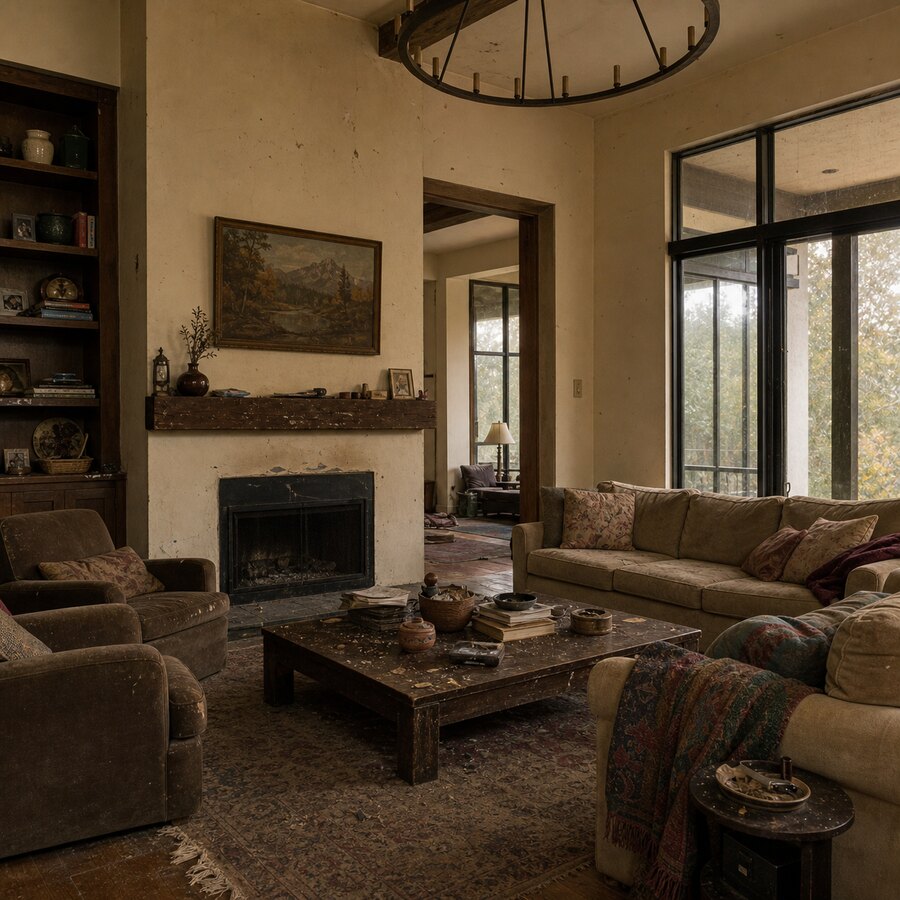
The starting point had familiar small-room issues. The furniture looked slightly too heavy for the footprint, the floor area felt crowded, and the lighting depended too much on one source. Nothing was truly wrong, but the room did not feel deliberate.
Issue 1: Furniture Scale
In a compact living room, the sofa is usually the largest object and therefore the biggest visual decision. If it is too deep, too dark or too blocky, the room immediately feels smaller. AI picked up on this by suggesting lighter upholstery, slimmer arms and legs that reveal more floor.
Issue 2: Weak Storage
Small rooms need storage that disappears into the design. Open clutter, low units and overloaded side tables all make the eye stop. The AI version moved towards closed media storage, vertical shelving and fewer loose items.
Issue 3: Flat Lighting
Many UK living rooms rely on a ceiling pendant and maybe one lamp. That can make the corners feel dull and the centre feel harsh. The AI after image introduced layered lighting: a floor lamp, softer side lighting and a warmer evening mood.
The After: What the AI Changed
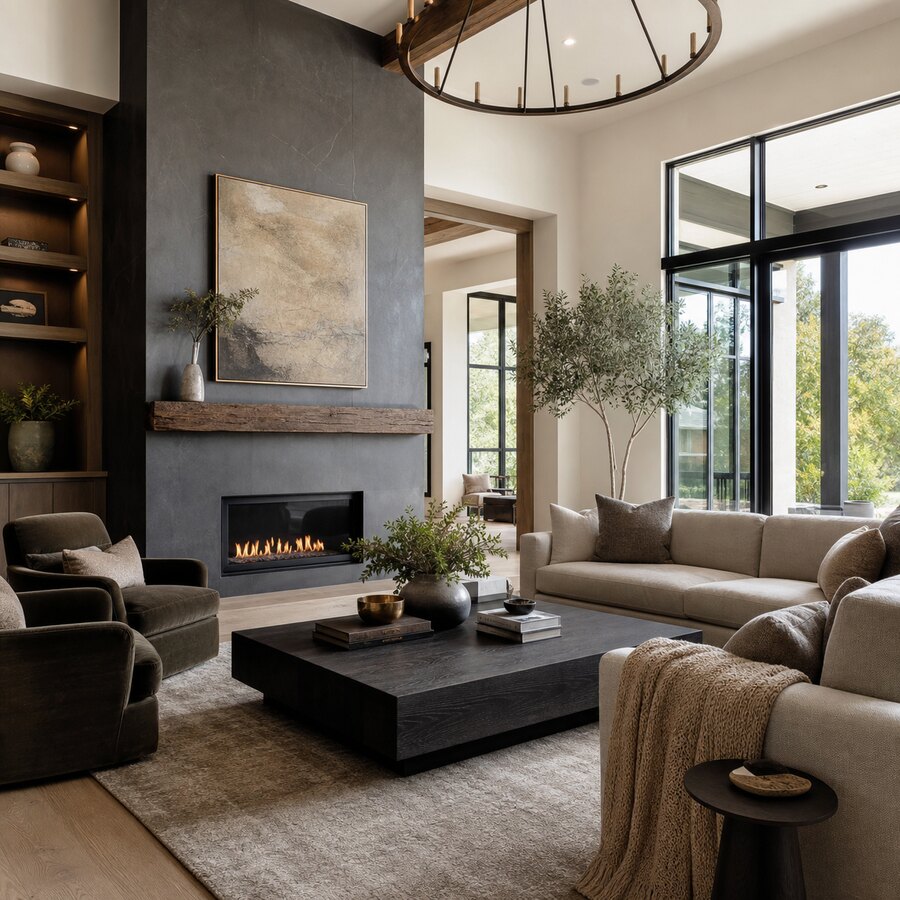
The after visual did not reinvent the room. It refined it. That is exactly why it was useful. A dramatic concept might go viral, but a practical transformation is the one people can actually copy. The AI suggested a lighter base, natural textures, better wall use and furniture that left more breathing room.
The colour palette shifted towards warm neutrals with a little contrast. That suits many UK homes because it works with grey winter light and still feels bright in summer. The result looked calmer without becoming bland.
The layout also felt more intentional. The seating faced the right focal point, the rug helped define the sitting area, and the storage looked built into the rhythm of the room rather than added as an afterthought. For more examples of how AI can interpret different rooms, see the before and after gallery.
What I Would Actually Do in Real Life
The most important part of an AI room makeover is deciding what to copy and what to ignore. AI can produce a polished image, but it does not know whether your radiator needs clearance, whether your sofa will fit through the front door, or whether your toddler will pull every object off an open shelf. Here is how I would turn the concept into a realistic plan.
1. Measure Before Buying
Before ordering furniture, measure the room, doorways, window height, radiator position and walking routes. In a small living room, even 10cm matters. Mark sofa depth and coffee table size on the floor with masking tape before buying.
2. Keep the Palette Simple
The AI redesign worked because it used fewer competing colours. For a UK living room, choose one warm wall colour, one main upholstery colour, one wood tone and one darker accent. Paint samples are worth buying first because British daylight can change a colour completely.
3. Upgrade Lighting Early
Lighting is usually the quickest visible improvement. Aim for three layers: a main ceiling light on a dimmer if possible, a floor or table lamp near the seating, and a small accent lamp to soften a dark corner.
4. Choose Storage That Hides Clutter
Open shelving looks good in an AI image because every object is styled. Real homes need somewhere for chargers, toys, post, remotes and spare cables. Closed storage keeps the room calm. If you have alcoves, fitted cupboards may cost more upfront, but even a simple flat-pack cabinet can make a small room feel more organised.
5. Add Texture Instead of More Stuff
The after image felt richer because it used texture: a rug, cushions, throws, wood and soft lighting. If the budget is tight, prioritise a properly sized rug, two good cushion covers and one warm lamp before buying decorative objects.
How to Prompt AI for a Better Small Living Room Redesign
The prompt matters. A vague prompt like "make this room modern" often produces a generic image. A better prompt tells the AI about the country, budget, style, constraints and what you want to keep.
For example, try: "Redesign this small UK living room to feel brighter, warmer and more spacious. Keep the window and main sofa position if possible. Use realistic furniture available in the UK, closed storage, layered warm lighting and a practical layout for everyday family use."
If you want a bolder result, ask for one version with a specific style, such as Japandi, modern cottage, Victorian terrace or Scandi. Then compare it with a more restrained version.
For a deeper look at what the tool can do, the features page explains the studio workflow, and the pricing page shows the current cost before you start planning a project.
What AI Got Right
The AI was strongest at visual direction. It quickly showed how a lighter sofa, better rug scale, warmer lighting and simpler storage could change the feeling of the room without relying on expensive structural changes.
It also reduced decision fatigue. Once you know the room needs slim furniture, warm neutrals and closed storage, shopping becomes more focused.
What AI Still Gets Wrong
AI can make rooms look a little too perfect. It may ignore cable management, TV glare, existing plug sockets or the fact that UK rooms often have radiators exactly where you want furniture to go. It may also suggest furniture that looks available but is not a real product. Treat the image as a design brief, then source real items that match the proportions and mood.
Another limitation is budget. A visual might look like a £500 refresh but actually require a £2,000 furniture swap. Before acting on any design, split ideas into free changes, low-cost upgrades and bigger purchases.
My Verdict
AI did not magically solve every small living room problem, but it made the path clearer. The before image showed a room that many people would recognise: useful, lived-in and slightly cramped. The after image showed that the same footprint could feel calmer, brighter and more pulled together with better scale, storage, lighting and texture.
For homeowners and renters in the UK, that is the real value. You can test a look before spending money, avoid obvious mistakes and shop with a clearer plan. If you are thinking about your own room, upload a photo and try the AI studio before you buy paint, furniture or decor.
FAQ
Can AI really redesign a small UK living room?
Yes, AI can create useful visual concepts from a real room photo, especially for layout, colour, furniture style and lighting ideas. You still need to check measurements, budget and practical constraints before making changes.
What photo should I use for an AI living room redesign?
Use a clear daylight photo from a corner of the room if possible. Include the floor, windows, doors, main furniture and any awkward features such as radiators, alcoves or fireplaces.
Is AI interior design suitable for renters?
Yes. Renters can use AI to test non-permanent changes such as rugs, lamps, curtains, storage, artwork and furniture layout. Always check your tenancy agreement before painting or fixing items to walls.
How much does a small living room refresh cost in the UK?
A light refresh can start around £100 to £300 for paint, lamps and textiles. A fuller update with a rug, storage and some furniture changes may run from £500 to £2,000 or more, depending on quality and room size.
Should I copy the AI after image exactly?
No. Use it as a direction. Copy the ideas that solve your real problems, such as lighter furniture, better storage or warmer lighting, but adapt the design to your measurements, budget and household needs.